
Cross stitching is more than just a hobby; it's a gateway into a world of relaxation and creativity. Have you ever thought about how a simple needle and thread can transform your mental well-being and create beautiful art? Let's explore the key insights that can help you embark on your cross stitching journey!
What You Will Learn
- Cross stitching is an easy-to-learn art form that combines creativity and precision, allowing for unique personal expression.
- Essential supplies for beginners include Aida fabric, embroidery needles, embroidery floss, and hoops to enhance your stitching experience.
- Understanding fabric counts and needle types can significantly improve your stitching comfort and project outcomes.
- Choosing the right colors for your designs can elevate your artwork; using tools like a color wheel can simplify this process.
- Both online and local stores have their benefits—online shopping offers convenience, while local shops provide a tactile experience.
- Investing in quality supplies pays off in the long run, ensuring durability and better results for your projects.
- Utilizing online resources, such as YouTube tutorials and structured online classes, can greatly enhance your cross stitching skills.
Essential Supplies for Cross Stitching Beginners
Understanding the key supplies needed to start cross stitching can help you begin your crafting journey smoothly. Below is a comparison of essential items and their significance.
Aida Fabric
The most common fabric used for cross stitching, featuring a clear grid pattern for easy counting.
Embroidery Needles
Designed with a larger eye to accommodate embroidery floss, making them beginner-friendly.
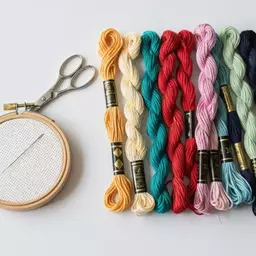
Embroidery Floss
Available in vibrant colors, this is the thread that adds life to your cross stitch designs.
Hoops
Keeps your fabric taut while you stitch, ensuring even tension and easy working.
Understanding Cross Stitching: A Beginner's Perspective
Have you ever been curious about the beautiful art of cross stitching? At the Art of Cross Stitching, I love sharing the joy and satisfaction that comes from creating something unique with just a needle and thread! Cross stitching is not just a hobby; it's a delightful journey into creativity that anyone can embark on, regardless of age or skill level. Let's dive into what makes this craft so special!
What is Cross Stitching?
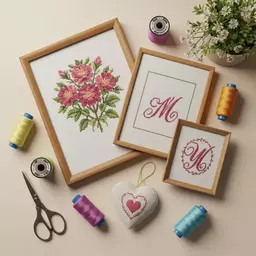
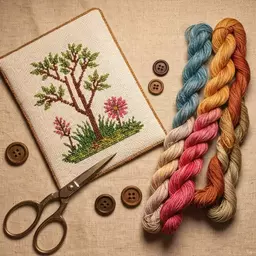
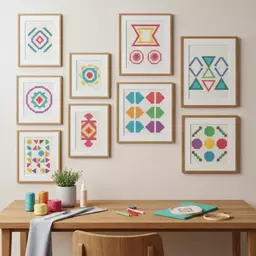
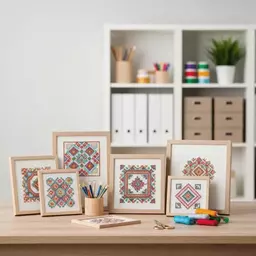
Cross stitching is a form of embroidery that uses X-shaped stitches to create stunning designs on fabric. Typically, these stitches are made on a grid-like fabric, allowing you to follow patterns easily. This process of stitching tiny crosses transforms simple threads into beautiful artwork that you can hang on walls, gift to loved ones, or cherish in your own collection.
What’s great about cross stitching is how it combines precision with creativity! Each stitch adds a personal touch, making every project unique to the maker. So, whether you want to create a cozy home decor piece or a heartfelt gift, cross stitching is a wonderful way to express yourself through art.
Why Choose Cross Stitch as a Hobby?
Choosing cross stitching as a hobby opens up a world of relaxation and creativity! Here are a few reasons why many people, including myself, have fallen in love with this craft:
- Stress Relief: The repetitive motion of stitching can be incredibly calming, allowing you to unwind after a long day.
- Community Connection: Joining a cross stitching group or online community means you can share tips, patterns, and finished pieces with fellow enthusiasts.
- Creative Expression: Every project allows you to choose your colors, patterns, and designs, making it a true reflection of your personality.
At the Art of Cross Stitching, I believe that anyone can find joy in this craft, regardless of their background. It's all about taking that first stitch and seeing where your creativity leads you!
Essential Supplies for Getting Started with Cross Stitching
As you prepare to embark on your cross stitching journey, gathering the right supplies is essential. Having everything you need at hand will make your experience much more enjoyable. Here’s a rundown of the key supplies to kick off your crafting adventure!
Key Supplies for Beginners: An Overview
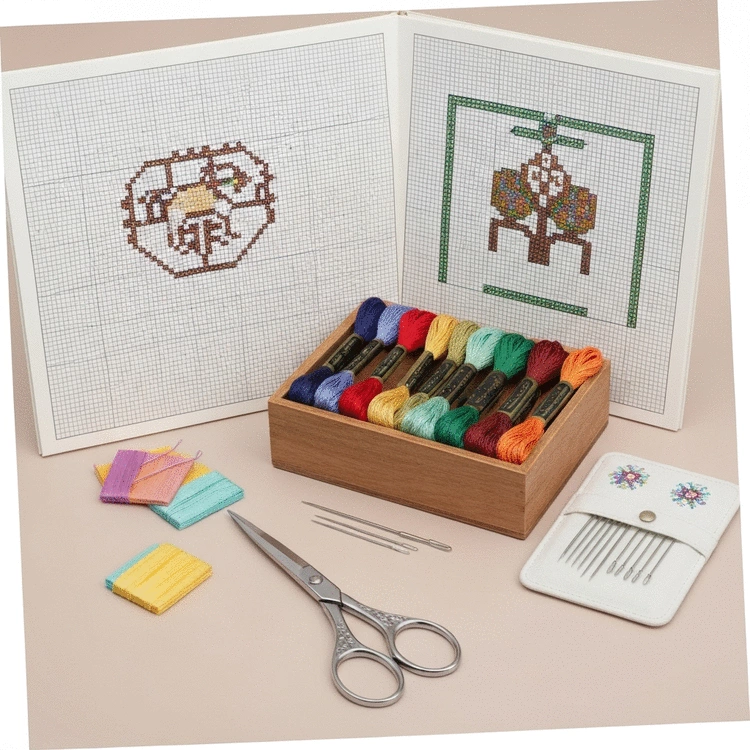
When starting out, it’s important to have a few basic supplies. Here are the must-haves for every beginner:
- Aida Fabric: This is the most common fabric used for cross stitching as it has a clear grid pattern.
- Embroidery Needles: These have a larger eye to accommodate embroidery floss.
- Embroidery Floss: Choose vibrant colors that inspire you!
- Hoops: A hoop helps keep your fabric taut while you stitch.
With these essential items, you’ll be well on your way to mastering the art of cross stitching! Don’t be afraid to explore and even experiment with different brands and textures as you find what works best for you.
Aida Fabric: The Best Choice for New Stitchers
When it comes to selecting fabric, Aida fabric is often the top choice for beginners. Its grid structure makes counting stitches easier, which is crucial when following patterns. Aida comes in various counts, which refers to the number of squares per inch. Let’s explore those options!
Fabric Counts Explained
Understanding fabric counts can help you choose the right one for your projects. Here’s a quick breakdown:
- 11 Count: Ideal for beginners, as it’s easy to see and stitch.
- 14 Count: A popular choice for many patterns, offering a good balance between detail and ease.
- 16 Count: Great for more detailed designs, but can be a bit challenging for new stitchers.
As you gain confidence in your stitching, you can explore higher counts to create more intricate designs. The key is to start with what feels comfortable for you!
Choosing the Right Needles for Your Projects
Selecting the right needle is crucial for a smooth stitching experience. A needle that’s too large can damage your fabric, while one that’s too small may be difficult to thread. Here are some tips on finding the perfect needle:
Types of Needles Suitable for Beginners
For beginners, I recommend using embroidery needles that have a larger eye. This makes threading your embroidery floss much easier! Here are a few types to consider:
- Embroidery Needles: These needles are perfect for working with multiple strands of floss.
- Milliners Needles: With a longer shaft, they are great for making easy, long stitches.
- Tapestry Needles: The blunt tip is perfect for crossing stitches without splitting the fabric threads.
Having the right needle will make your stitching journey a lot smoother, and I'm excited for you to get started!
Embroidery Floss: Understanding DMC and Anchor Thread Options
Embroidery floss is your palette for creating beautiful designs! While there are many brands available, DMC and Anchor are two of the most popular choices for cross stitchers. Let’s take a closer look at each:
How to Select the Right Colors for Your Project
Choosing colors might feel overwhelming at first, but here are some helpful tips:
- Use a Color Wheel: This tool can help you find complementary colors that work well together.
- Start with a Palette: Choose a few colors you love and build your design around them.
- Look at Existing Patterns: Many patterns come with suggested colors—this can be a great jumping-off point!
Remember, the best colors to use are the ones that speak to you! Enjoy the process of picking out threads that inspire your creativity.
Must-Have Tools: Hoops, Scissors, and More
In addition to fabric and floss, there are a few essential tools that can make your stitching experience much more enjoyable. Let’s explore what you’ll need!
Essential Tools for Efficient Stitching
Here is a list of must-have tools to keep your stitching organized and efficient:
- Embroidery Hoops: Helps keep your fabric taut and makes stitching easier.
- Small Scissors: Perfect for cutting threads with precision.
- Thread Organizer: Keeps your floss sorted and prevents tangling.
Having these tools handy will streamline your stitching process, allowing you to focus on what you love most—creating beautiful art!
Exploring Different Types of Hoops and Q-Snap Frames
When it comes to hoops, there are a few options to consider. For example:
- Circular Hoops: The most common type, great for small projects.
- Q-Snap Frames: These offer a larger area and are adjustable, perfect for bigger designs.
- Wooden Hoops: Often preferred for their aesthetic appeal and durability.
Choosing the right hoop or frame can greatly enhance your stitching experience, making it more enjoyable to see your designs come to life!
Pro Tip
As you embark on your cross stitching journey, consider starting a stitching journal! Documenting your projects, color choices, and stitching techniques can help you track your progress and refine your skills over time. Plus, it’s a great way to celebrate your creative accomplishments!
Expert Recommendations for Buying Cross Stitch Supplies
When it comes to gathering your cross stitching supplies, knowing where to shop can make all the difference. As someone who has spent years in the world of cross stitching, I highly recommend exploring both online retailers and local craft shops. Each option has unique benefits, and understanding these can help you make informed purchases that support your creative journey.
For instance, online stores often offer a wider selection and may have better prices. However, local stores provide the opportunity to touch and feel the fabrics before you buy, which can be particularly satisfying for tactile learners like me! So, let’s break down the benefits of each:
- Online Stores: Convenient shopping, often with competitive prices.
- Local Craft Shops: Hands-on experience and immediate access to supplies.
- Specialty Shops: Expert advice and a curated selection of quality materials.
Online vs Local Stores: Which is Better?
Choosing between online and local stores can feel overwhelming, but it really depends on what you value most in your shopping experience. I often find myself torn between the two! Here are some factors you might consider:
- Convenience: Online shopping allows you to browse at any time from the comfort of your home.
- Community: Local shops often host workshops and events that can deepen your connection to the craft.
- Shipping Costs: Don’t forget to factor in shipping fees when shopping online!
Budget-Friendly vs High-Quality Choices
As you start building your collection, you might be wondering how to balance budget and quality. It’s tempting to opt for the cheapest options, but investing a bit more can pay off in the long run. I’ve learned this through experience—trust me!
Here’s a helpful guide to understand where to spend your money wisely:
- Essentials: Invest in good needles and fabric; they make a huge difference in your stitching experience.
- Tools: Quality scissors and hoops will enhance your efficiency and enjoyment.
- Floss: Choosing reputable brands for embroidery floss can elevate your final piece.
Long-term Value of Your Investment
When it comes to cross stitching, consider this: higher-quality supplies last longer and often yield better results. While you might spend a bit more upfront, you’ll save money over time by avoiding replacements. Plus, using quality materials can significantly enhance your finished projects!
So, keep this in mind as you choose your supplies. Remember, at Art of Cross Stitching, we’re committed to helping you make the best choices for your stitching journey. Don't hesitate to reach out if you have questions—I’m here to help you thrive in your cross stitching adventure!
Quick Start Tutorials: Visual Guides for Beginners
Now that you've got your supplies, let’s dive into some quick start tutorials! These visual guides will help you get comfortable with the basics and make your first project enjoyable. I can still remember the excitement of threading my first needle—it can be a bit tricky at first, but with practice, you’ll be stitching like a pro!
Step-by-Step: Threading a Needle and Starting Your First Stitch
Let’s break down the process of threading your needle and taking that first stitch:
- Cut a length of embroidery floss (about 18 inches).
- Separate the strands if you’re using 6-strand floss; for beginners, 2 or 3 strands work well.
- Thread the needle and tie a small knot at the end of the floss.
- Start your first stitch by bringing the needle up through the fabric from the back.
Finishing Your First Cross Stitch Project: Tips and Tricks
Completing your first project is such a rewarding experience! As you finish, here are some tips to ensure you end on a high note:
- Weave in loose threads: This will give your work a neat finish.
- Wash your piece: A gentle wash can help remove any markings or creases.
- Frame it: Consider framing your piece to showcase your hard work!
Utilizing YouTube Tutorials and Online Classes
In this digital age, there are incredible resources available at our fingertips! YouTube has a treasure trove of tutorials for beginners. I love diving into these videos to see different techniques in action. It’s like having a personal instructor right in your living room!
Online classes can also provide structured learning experiences. Many platforms offer courses tailored just for cross stitchers. So, if you're looking to enhance your skills, this can be a fantastic way to learn!
Frequently Asked Questions About Cross Stitching
- What is cross stitching?
- Cross stitching is a form of embroidery that uses X-shaped stitches to create designs on a grid-like fabric, transforming threads into artwork.
- What are the benefits of cross stitching as a hobby?
- It offers stress relief through repetitive motion, fosters community connection, and provides a medium for creative expression.
- What essential supplies do I need to start cross stitching?
- Key supplies include Aida fabric, embroidery needles, embroidery floss, and hoops.
- What is Aida fabric and why is it recommended for beginners?
- Aida fabric is the most common cross stitch fabric, known for its clear grid pattern that makes counting stitches easier for new stitchers.
- How do fabric counts affect cross stitching?
- Fabric counts refer to the number of squares per inch. Lower counts (e.g., 11-count) are easier for beginners, while higher counts allow for more detailed designs.
- What type of needles are best for beginners?
- Embroidery needles with a larger eye are recommended for beginners, making it easier to thread multiple strands of floss.
- How do I choose colors for my cross stitch project?
- You can use a color wheel to find complementary colors, start with a preferred palette, or follow suggested colors from existing patterns.
- Where can I buy cross stitching supplies?
- Supplies can be purchased from online retailers for convenience and competitive prices, or from local craft shops for a hands-on experience and community connection.
- Is it worth investing in high-quality cross stitching supplies?
- Yes, investing in quality supplies like needles, fabric, and floss ensures durability, better results, and a more enjoyable stitching experience in the long run.
- Are there online resources to help me learn cross stitching?
- Absolutely! YouTube offers numerous tutorials, and various online platforms provide structured classes tailored for cross stitchers of all skill levels.
Recap of Key Points
Here is a quick recap of the important points discussed in the article:
- Cross Stitching Basics: A form of embroidery that uses X-shaped stitches on grid fabric to create unique designs.
- Benefits of Cross Stitching: Provides stress relief, fosters community connections, and offers a medium for creative expression.
- Essential Supplies: Key items include Aida fabric, embroidery needles, embroidery floss, and hoops to get started.
- Choosing the Right Fabric: Aida fabric is recommended for beginners due to its clear grid pattern and various counts (11, 14, 16) for different skill levels.
- Needle Selection: Use embroidery, milliners, or tapestry needles for an easier stitching experience.
- Color Selection: Utilize a color wheel and existing patterns to choose inspiring colors for your projects.
- Essential Tools: Include hoops, small scissors, and thread organizers for efficient stitching.
- Shopping Tips: Balance online and local shopping experiences, considering convenience, community, and quality.
- Long-term Investment: Invest in quality supplies for better results and durability in your cross stitching projects.
- Learning Resources: Utilize YouTube tutorials and online classes for structured learning and technique improvement.