
Cross stitching, a delightful blend of creativity and relaxation, opens up a world of techniques and materials that can elevate your crafting experience. Whether you're a beginner or a seasoned stitcher, understanding these elements is key to transforming your projects into masterpieces.
What You Will Learn
- The importance of selecting the right cross stitch technique based on your skill level and project complexity.
- How the English method excels in creating precise stitches, perfect for intricate designs.
- The Danish method's efficiency, making it ideal for larger projects and for beginners.
- Understanding various stitch types, such as full stitches and half stitches, to enhance your cross stitch creations.
- The impact of fabric choice on your project, including tips on selecting the right type and count for your skill level.
- Navigating thread options and how different types can add unique textures and effects to your work.
- The value of experimentation with techniques and materials to enrich your crafting journey.
Comparison of Cross Stitch Techniques
Explore the effectiveness and suitability of different cross stitch techniques for various projects. To delve deeper into foundational skills, consider reviewing a beginner's guide to cross stitching.
The English Method
Known for precision, this method excels in complex designs such as floral patterns and portraits. Ideal for projects where neatness is crucial.
Advantages:
- Effective with confetti patterns
- Clean and precise results
The Danish Method
Famous for efficiency, especially with half stitches, making it perfect for larger, simpler projects. Ideal for beginners.
Advantages:
- Quicker stitching process
- Perfect for solid color areas
Full Stitches
This stitch creates solid blocks of color in designs. Suitable for most cross stitch projects.
Half Stitches
Add depth and dimension to your work. Often used in conjunction with full stitches for varied effects.
Understanding Cross Stitch Techniques: A Comprehensive Overview
What is Cross Stitch and Why Choose the Right Technique?
Cross stitching is a lovely form of needlework where X-shaped stitches create an image or pattern on fabric. It’s more than just a craft; it’s a way to express your creativity and relax your mind! Choosing the right technique is essential for project success, as it can affect both the appearance and ease of your work.
When selecting a technique, consider factors such as your skill level, the complexity of the design, and the type of fabric you'll be using. This is where Art of Cross Stitching can help you! We provide practical tips to guide you through these choices so you can enjoy your stitching journey.
Exploring Popular Cross Stitch Techniques
The English Method: Advantages and Use Cases
The English method is a widely used technique in cross stitching that focuses on creating clean and precise stitches. One of its greatest advantages is its effectiveness with complex confetti patterns, where multiple colors are stitched closely together. This method helps in achieving a neat finish, which is especially handy for detailed designs! For more advanced detailing, explore cross-stitch techniques for intricate patterns.
Typical projects that benefit from the English method include intricate floral patterns or detailed portraits. If you're working on something that requires precision, this technique might just be your best friend!
The Danish Method: Key Features and Suitable Projects
The Danish method is known for its efficiency, especially when using half stitches. This technique allows for quicker stitching, making it ideal for larger projects where time is of the essence. It’s perfect for designs that feature solid areas of color or for beginners who are just starting their cross stitching journey.
Projects that suit the Danish method often include simple motifs or larger patterns where you want to cover a lot of ground quickly. Have you tried this technique yet? It could save you some time while still producing beautiful results!
Understanding Stitch Types: Full Stitches, Half Stitches, and More
In the world of cross stitching, knowing your stitch types can make a significant difference in your projects. The most common stitches are full stitches and half stitches. Full stitches create solid blocks of color, while half stitches can add depth and dimension to your work.
Besides these, there are also variations like quarter stitches and backstitches that lend themselves to different effects and finishes. Exploring these options can truly expand the possibilities of your cross stitch creations!
Fabric Selection: Choosing the Right Base for Your Project
When it comes to cross stitching, the fabric you choose is just as important as the technique. Selecting the right fabric count and type will influence how your finished project looks and feels. Common fabric types include Aida, linen, and even specialty fabrics that can add unique textures to your work. You can find more information about choosing cross-stitch fabric basics to help guide your decision.
As a general rule, beginners might find Aida cloth easier to work with due to its grid-like structure. However, for more advanced stitchers, exploring linen or even hand-dyed fabrics can be a delightful adventure! Keep in mind the design complexity and your own comfort—these factors will guide your fabric choice!
Thread Options: Navigating Through Varieties and Choices
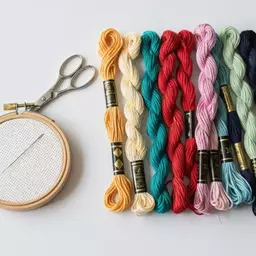
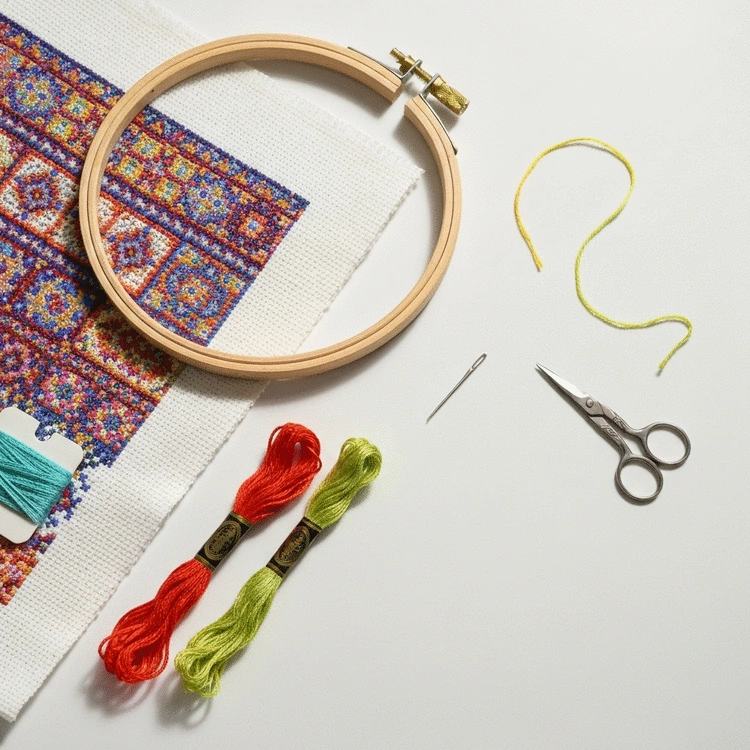
Thread selection is another exciting aspect of cross stitching that can enhance your projects significantly. There are various types of threads available, from traditional cotton floss to specialty threads like metallic or variegated options. Each thread type brings its own unique flair to your designs!
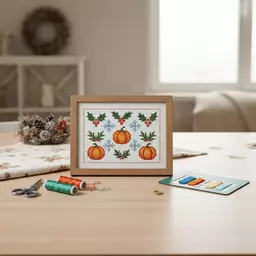
When choosing threads, consider the overall look you want to achieve. For example, using metallic threads can add a sparkle to festive designs, while variegated threads can create beautiful gradients. What kind of thread excites your creativity? Don’t hesitate to experiment!
Quick Summary
Here's a brief recap of the key points discussed so far:
- Cross stitching is an expressive craft that allows for creativity and relaxation.
- Choosing the right stitching technique impacts both project success and enjoyment.
- Fabric selection and thread variety play crucial roles in achieving desired results.
- Understanding different stitch types can enhance the depth and detail of your designs.
Frequently Asked Questions About Cross Stitching Techniques
- Q1: What are the main cross stitch techniques discussed?
- A1: The article primarily discusses the English method and the Danish method, highlighting their advantages and suitable use cases.
- Q2: Which technique is best for intricate designs?
- A2: The English method is known for its precision and is highly effective for intricate designs and confetti patterns.
- Q3: Which technique is more efficient for larger projects or beginners?
- A3: The Danish method is recommended for its efficiency, especially for larger projects with solid color areas and is ideal for beginners.
- Q4: How do full stitches and half stitches differ?
- A4: Full stitches create solid blocks of color, while half stitches are used to add depth and dimension to your work.
- Q5: What factors should be considered when choosing fabric for cross stitching?
- A5: Factors include skill level, design complexity, fabric count, and type (e.g., Aida for beginners, linen for advanced stitchers).
- Q6: Can different thread types significantly impact a cross stitch project?
- A6: Yes, various thread types like cotton floss, metallic, or variegated threads can add unique textures, sparkle, or gradients, significantly enhancing the project's appearance.
Conclusion: Making Informed Choices in Cross Stitching
As we wrap up our journey through the vibrant world of cross stitching, it's essential to remember that choosing the right techniques can greatly influence your crafting experience. By understanding the various methods and materials available, you can tailor your projects to not only meet your expectations but also to enhance your skills. From selecting the right fabric to mastering stitch types, each choice plays a crucial role in your creative process.
Remember, it’s not just about the end result but also about enjoying the adventure of stitching. I often find joy in experimenting with different techniques, and I encourage you to do the same. The more you explore, the more you’ll discover what resonates with your artistic spirit. At Art of Cross Stitching, we believe in fostering creativity and community, which means that every stitch you make contributes to a larger tapestry of shared experiences.
- Choose techniques that match your skill level.
- Consider the type of project you're embarking on.
- Don't hesitate to experiment with various stitches and fabrics.
Call to Action: Share Your Cross Stitch Journey
Now, I invite you to share your own cross stitch stories! What techniques do you find most rewarding? Have you faced challenges that led to creative solutions? Your experiences can inspire others in our crafting community. Let’s come together to celebrate the joy of cross stitching! For more inspiration, check out our guide on holiday cross stitch project ideas.
Feel free to visit us at Art of Cross Stitching to connect with fellow stitchers, explore new patterns, and contribute to our growing community. Remember, every stitch is a step on your unique journey. What will you create next? I can’t wait to see the magic unfold!
- Join online forums to exchange tips and tricks.
- Share your finished projects on social media.
- Participate in local stitching groups or events.
Recap of Key Points
Here is a quick recap of the important points discussed in the article:
- Choose the right cross stitch technique based on your skill level and project complexity.
- The English method offers precision for detailed designs, while the Danish method is efficient for larger projects.
- Understanding stitch types, including full and half stitches, can enhance your designs.
- Select the appropriate fabric type, with Aida being beginner-friendly and linen offering advanced options.
- Experiment with various thread types to achieve unique visual effects in your projects.