
Did you know that crafting can not only be a source of creativity but also a powerful tool for sustainability? As we explore the world of cross-stitching, you'll discover how simple actions can make a significant impact on our planet while indulging in your passion for needlework.
What You Will Learn
- The benefits of eco-friendly cross-stitch projects, including waste reduction and support for local economies.
- Understanding various recycled materials that can be used for cross-stitching, such as fabric scraps and thread remnants.
- How cross-stitching can aid in textile waste reduction through creative upcycling and mindful consumption.
- Ways to engage with crafting communities, including participating in challenges and sharing your projects for inspiration.
- The importance of collaboration in crafting, encouraging others and creating a supportive environment for eco-conscious creators.
Benefits of Eco-Friendly Cross-Stitch Projects
Choosing eco-friendly cross-stitch projects offers various advantages that promote sustainability and creativity. For those just starting, learning about beginner's guide to cross-stitching can be a great first step towards sustainable crafting.
Minimize Waste
Using recycled materials helps divert textile waste from landfills.
Support Local Economies
Sourcing materials from local thrift stores boosts local businesses.
Inspire Creativity
Working with unique materials fosters innovative designs and ideas.
Creative Upcycling
Transforming old garments into cross-stitch keeps them from landfills.
Crafting a Sustainable Approach to Cross Stitch with Recycled Materials
As a passionate textile artist, I truly believe that crafting can be both rewarding and sustainable! Cross-stitching, in particular, offers a wonderful opportunity to create beautiful pieces while being mindful of our environment. By adopting eco-friendly practices, we can make a positive impact on our planet while indulging in our love for needlework.
What’s fascinating is how crafting can contribute to sustainability. When we stitch with recycled materials, we not only reduce waste but also infuse our projects with a unique charm that tells a story. Imagine transforming old, forgotten textiles into stunning pieces that showcase your creativity and care for the earth!
Understanding the Benefits of Eco-Friendly Cross-Stitch Projects
Let’s dive into the benefits of choosing eco-friendly cross-stitch projects! By prioritizing sustainable crafting, we can:
- Minimize waste: Using recycled materials helps divert textile waste from landfills.
- Support local economies: Sourcing materials from local thrift stores or community swaps boosts local businesses.
- Inspire creativity: Working with unique materials fosters innovative designs and ideas.
Think about it: each stitch is not just a part of the artwork, but also a step toward sustainability. It’s about creating something beautiful while being conscious of our crafting choices! To make sure you have everything you need, check out this essential cross-stitching supplies list.
What Are Recycled Materials in Cross Stitch?
Recycled materials can come in various forms, making them perfect for your next cross-stitch project. Here are some popular ones:
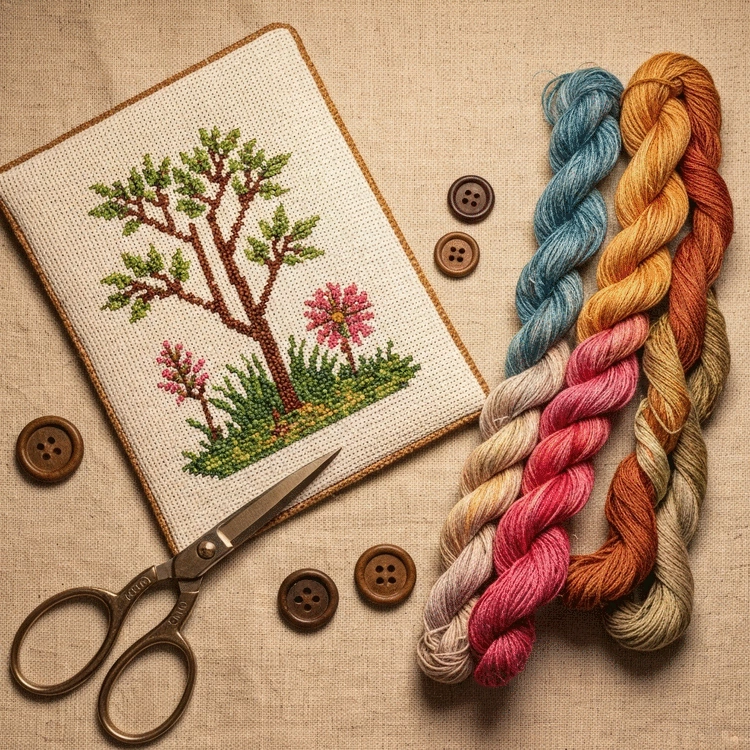
- Fabric scraps: Old clothing, linens, or even curtains can be repurposed into vibrant stitching canvases.
- Thread remnants: Leftover threads from past projects can add colorful accents and textures.
- Found objects: Items like buttons or bottle caps can be creatively incorporated into designs.
By embracing these recycled materials, you’re not only crafting a sustainable piece but also celebrating creativity in its many forms. What materials do you have lying around that could be transformed into an art piece? You might even find inspiration for simple cross-stitch home decor projects using these materials.
Exploring Textile Waste Reduction through Cross Stitch
Let’s take a moment to explore how cross-stitch can play a significant role in reducing textile waste. Here are a few ways it does this:
- Creative upcycling: Transforming old garments or textiles into cross-stitch projects keeps them out of the landfill.
- Encouraging mindful consumption: Choosing to use what we already have fosters a more sustainable crafting mindset.
- Sharing knowledge: Engaging with fellow stitchers about sustainability promotes a community of eco-conscious creators.
As I’ve learned through my journey at Art of Cross Stitching, cross-stitching with recycled materials not only benefits the environment but also builds a supportive community of like-minded individuals. Together, we can inspire each other to embrace sustainable crafting practices!
Quick Summary
Here's a brief recap of the key points discussed so far:
- Eco-Friendly Crafting: Cross-stitching with recycled materials helps reduce waste and promotes sustainability.
- Recycled Materials: Fabric scraps, thread remnants, and found objects can be creatively repurposed into stunning projects.
- Community Engagement: Sharing your eco-friendly projects not only inspires others but also fosters a supportive crafting community.
Frequently Asked Questions about Eco-Friendly Cross Stitch
- Q: What are the main benefits of eco-friendly cross-stitch projects?
- A: The main benefits include minimizing textile waste, supporting local economies by sourcing materials from thrift stores, and inspiring creativity through unique recycled materials.
- Q: What types of recycled materials can I use for cross-stitching?
- A: You can use fabric scraps from old clothing or linens, leftover thread remnants, and found objects like buttons or bottle caps to incorporate into your designs.
- Q: How does cross-stitching contribute to textile waste reduction?
- A: Cross-stitching reduces textile waste through creative upcycling of old garments, encouraging mindful consumption of existing materials, and sharing knowledge within the crafting community about sustainable practices.
- Q: How can I engage with the eco-friendly cross-stitch community?
- A: You can join local or online challenges, share your progress on social media using relevant hashtags, join specific groups focused on recycled materials, and encourage others by sharing tips and tricks.
- Q: Where can I share my eco-friendly cross-stitch projects?
- A: You can submit photos of your completed projects to platforms like Art of Cross Stitching for monthly showcases, include descriptions of your materials and inspiration, and join community forums to discuss your work and get feedback.
Community Engagement and Sharing Your Eco Projects
In the wonderful world of cross-stitching, sharing our creations and connecting with others can truly enhance our craft. Engaging with a community focused on eco-friendly practices not only inspires us but also helps spread the message of sustainability. As we embrace this creative journey together, I encourage you to join in on some exciting community challenges that celebrate our planet and our craft!
How to Join the Recycled Cross Stitch Community Challenge
Participating in community challenges is a delightful way to showcase your eco-friendly cross-stitch projects. Here’s how you can get involved:
- Search for local or online challenges dedicated to sustainable crafting.
- Share your progress on social media using relevant hashtags to connect with fellow crafters.
- Join specific groups that focus on recycled materials and eco-friendly designs.
- Encourage others by sharing tips and tricks you've learned along the way.
Remember, the more we share, the more we inspire! Let’s lift each other up and celebrate our creative efforts.
Inviting User-Submitted Projects: Showcase Your Creativity
At Art of Cross Stitching, we believe in the beauty of community collaboration. That’s why we invite you to share your projects with us! Here’s how you can contribute:
- Submit photos of your completed eco-friendly cross-stitch pieces.
- Include a brief description of the materials you used and the inspiration behind your design.
- Participate in our monthly showcases where we feature your work on our social media platforms.
- Join our community forums to discuss your projects and get feedback from fellow stitchers!
Your creativity deserves to be celebrated! By sharing your projects, you not only inspire others but also create a supportive environment for all cross-stitching enthusiasts.
Engaging with Crafting Communities for Inspiration
Engaging with various crafting communities can spark new ideas and motivate you to take on fresh challenges. Here’s how you can find inspiration:
- Follow eco-focused crafting influencers on social media platforms.
- Join online forums or groups specifically for sustainable crafting.
- Attend workshops or local events that emphasize upcycling in crafts.
- Participate in discussions about eco-friendly materials and techniques.
Exploring these communities can open your eyes to new possibilities! Remember, collaboration and sharing ideas can lead to wonderful innovations in your stitching journey. For more advanced techniques, explore cross-stitch techniques for intricate patterns.
Conclusion: Embrace Eco-Friendly Crafting
As we wrap up our discussion on community engagement, I hope you feel inspired to embrace eco-friendly crafting in your cross-stitch projects. Together, we can create beautiful pieces while making a positive impact on our planet.
Summarizing the Impact of Upcycling in Cross Stitch
Utilizing recycled materials not only helps reduce waste but also enriches our creative expression. By sharing our projects and ideas, we foster a community that values sustainability and creativity. Let’s continue to stitch with purpose!
Call to Action: Start Your Eco Cross Stitch Journey Today
Ready to dive in? I invite you to explore the free patterns we’ve provided or to share your own eco-friendly ideas. Let’s make our cross-stitching community vibrant and inspiring, one stitch at a time! For more inspiration, you can always visit the nature-inspired animal cross stitch patterns.
Recap of Key Points
Here is a quick recap of the important points discussed in the article:
- Minimize Waste: Use recycled materials to divert textile waste from landfills.
- Support Local Economies: Source materials from local thrift stores and community swaps.
- Inspire Creativity: Utilize unique materials to foster innovative designs in your projects.
- Engage in Community Challenges: Join local or online eco-friendly crafting challenges and share your progress.
- Share Your Creativity: Submit photos of your eco-friendly cross-stitch projects to inspire others.
- Explore Crafting Communities: Find inspiration by engaging with various crafting groups and influencers.