
Choosing the right needle can transform your cross stitching experience, making it not only more enjoyable but also enhancing the quality of your work. With a multitude of options available, understanding the essential features and benefits of various needles is crucial for any stitcher, whether you're just starting or looking to refine your skills.
What You Will Learn
- Needle Anatomy: Cross stitch needles have blunt tips and large eyes, designed specifically to minimize snagging and allow easy threading of thicker threads.
- Choosing the Right Size: Needle size affects the fabric; larger needles work well with Aida, while smaller ones are better for fine linen.
- Material Matters: Gold-plated needles glide smoothly through fabric, while nickel-plated options are cost-effective and versatile.
- Impact on Stitching Comfort: The right needle can enhance your stitching comfort and the final appearance of your project, preventing issues like needle slipping.
Choosing the Right Cross Stitch Needle
Understanding the key features of cross stitch needles can greatly enhance your crafting experience. Below is a comparison of needle types and their ideal uses. If you are just starting, a great place to begin is with a beginner's cross-stitch kit, which often includes suitable needles.
Tapestry Needles
Blunt tips for smooth stitching on fabric.
- Ideal for cross stitching.
- Larger eyes for easy threading.
Embroidery Needles
Sharp tips for decorative stitching.
- Can be used for fine work.
- Not ideal for all cross stitch projects.
Gold-Plated Needles
Durable with a smooth glide.
- Ideal for delicate fabrics.
- Reduces friction during stitching.
Nickel-Plated Needles
Budget-friendly and versatile.
- Good for a variety of projects.
- Suitable for most fabrics.
Understanding Cross Stitch Needles: Essential Basics for Beginners
When diving into the world of cross stitching, understanding the different types of needles is crucial for a smooth crafting experience. Just like any artist needs the right tools, a cross stitcher must select the appropriate needle to ensure their stitches are not only beautiful but also enjoyable to create. In this guide, I'll walk you through the essential basics of cross stitch needles, helping you choose the right one for your next project!
Let's begin by exploring the anatomy of cross stitch needles. By understanding what makes each needle unique, you can enhance your stitching journey and avoid common pitfalls. Trust me, picking the right needle can make all the difference in your crafting adventure!
The Anatomy of Cross Stitch Needles
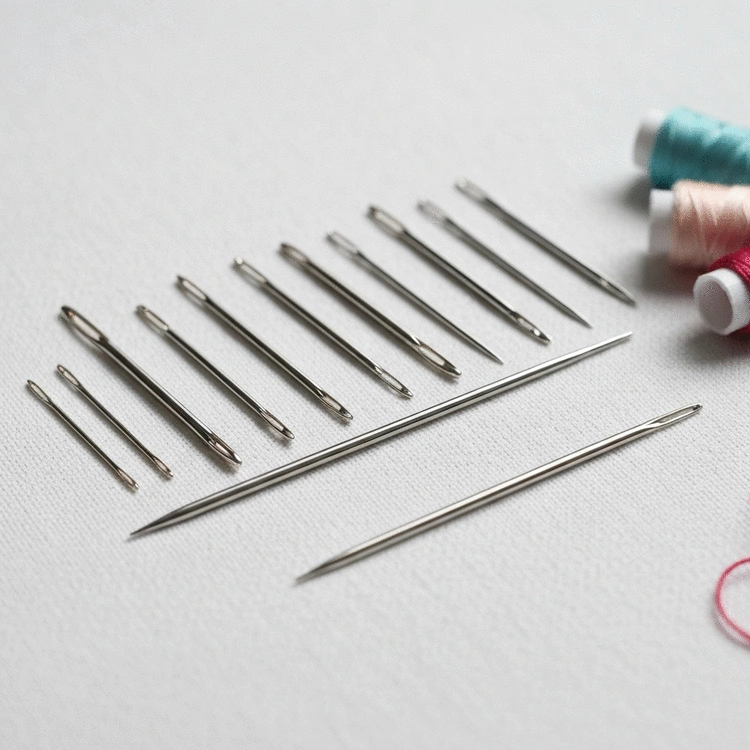
Cross stitch needles may seem simple, but they have some key features that set them apart from regular sewing needles. Here are a few characteristics to look for when selecting your perfect needle:
- Blunt tips: Designed to easily pass through fabric without snagging threads.
- Large eyes: Accommodate thicker threads, making threading a breeze!
- Variety of sizes: Options available to match different fabric counts.
These features make cross stitch needles ideal for the art form, ensuring that your stitches remain neat and consistent. It's all about the experience of stitching comfortably while creating something beautiful! To further improve your craft, consider mastering essential cross-stitching techniques.
Key Features to Look For
As you begin your stitching journey, identifying the key features in cross stitch needles is essential. A well-chosen needle will not only enhance your crafting experience but also help you achieve stunning results. Here are the features I always recommend paying attention to:
- Eye size: A larger eye allows for easy threading of multiple strands.
- Needle length: Longer needles can help with large projects, while shorter ones work best for smaller patterns.
- Material: Consider whether you prefer traditional steel needles or specialty options like gold-plated needles.
With these features in mind, you can confidently select the right needle tailored to your project needs!
Understanding Needle Anatomy: Blunt Tips and Large Eyes
The anatomy of a cross stitch needle is quite fascinating! The blunt tip is designed to pierce through fabric without causing damage, which is especially important for delicate materials. The large eye, on the other hand, facilitates easy threading, allowing you to spend more time stitching and less time fussing with your supplies.
As you stitch, remember that your needle choice can influence your overall experience. Using the right needle with the right features can lead to a more enjoyable crafting process. What has been your experience with needle choices? I'd love to hear how it has affected your projects!
Why Needle Choice Matters in Cross Stitching
Now that we've covered the basics of needle anatomy, let's talk about why choosing the right needle is so important in cross stitching. The needle you select can impact everything from your stitching comfort to the final appearance of your work. Here are two key aspects to consider:
- Impact of needle size: Larger needles can create bigger holes in your fabric, while smaller needles are perfect for fine, detailed work.
- Material differences: Different needles can lead to varied experiences on fabrics like Aida and linen.
Being mindful of these factors can help you achieve your desired results and enhance your overall enjoyment of the craft!
Impact of Needle Size on Fabric Count: Aida vs. Linen
When it comes to cross stitching, the fabric you choose is just as important as the needle! Aida fabric, with its easily countable squares, pairs well with larger needle sizes, allowing your stitches to stand out. Conversely, linen, being finer, benefits from smaller needles to achieve a delicate finish.
Here’s a quick reference for selecting the right needle based on fabric count:
- Aida (14-count): Use a size 24 needle.
- Linen (28-count): A size 26 needle works wonders.
- Aida (18-count): Try a size 26 needle for best results.
By paying attention to these details, you’ll ensure that each stitch is a joy to create! For more information on fabrics, explore choosing cross-stitch fabric basics.
How Different Materials Affect Your Stitching Experience
Every needle is crafted from various materials that can influence your stitching experience. For example, gold-plated needles are known for their smooth glide through fabric, reducing friction and making the stitching process enjoyable. On the other hand, nickel-plated needles are often more budget-friendly and work well for a variety of projects.
Here’s a quick overview of how different materials can affect your experience:
- Gold-plated needles: Durable and gentle on your threads.
- Nickel-plated needles: Cost-effective and versatile for many fabrics.
- Stainless steel:** Highly resistant to wear and tear.
Choosing the right material can enhance your overall crafting experience, making your stitching time even more enjoyable!
Did You Know?
Choosing the right needle can significantly impact your stitching experience! According to a survey conducted by the Craft and Hobby Association, 67% of crafters reported that using the correct needle type improved their overall satisfaction with their projects.
Next time you pick up your supplies, think about how the right needle could elevate your stitching journey!
Frequently Asked Questions (FAQs)
- What type of needle is best for cross stitching?
- Tapestry needles are generally considered the best for cross stitching due to their blunt tips and large eyes, which prevent snagging and make threading thicker threads easier.
- How do I choose the right needle size for my fabric?
- Needle size should correspond to your fabric count. For 14-count Aida, a size 24 needle is recommended. For finer fabrics like 28-count linen or 18-count Aida, a size 26 needle works well.
- What is the difference between gold-plated and nickel-plated needles?
- Gold-plated needles offer a smoother glide through fabric, reducing friction and extending the needle's lifespan. Nickel-plated needles are more budget-friendly and versatile for various projects.
- Why do cross stitch needles have blunt tips?
- Blunt tips are essential for cross stitching as they allow the needle to pass through the fabric's weave without piercing or damaging the threads, which is vital for maintaining the fabric's integrity and the neatness of stitches.
- How should I store my cross stitch needles?
- Store needles in a needle case or organizer in a dry place to prevent loss, damage, and rust. Labeling your storage can help you quickly find the right needle for your project.
Conclusion: Making an Informed Choice for Your Cross Stitching Needs
As we wrap up our exploration of cross stitch needles, it's clear that making an informed choice is vital for your stitching experience. Remember, picking the right needle not only enhances your project but also affects your overall enjoyment while stitching! From understanding the anatomy of needles to selecting the perfect type for your fabric, every detail matters.
Throughout our discussion, we covered essential points that will guide you in choosing the best needle for your projects. Whether you’re a beginner or a seasoned stitcher, knowing the difference between tapestry needles and embroidery needles, as well as the benefits of gold-plated versus nickel-plated options, is crucial. Let's take a moment to recap.
Recap of Key Points in Needle Comparison
Understanding the various needle types and their specific uses will empower you on your creative journey. Here are the key takeaways:
- Tapestry Needles are generally the best choice for cross stitching due to their blunt tips, which glide smoothly through fabric.
- Embroidery Needles can be used for decorative stitching but may not be ideal for every cross stitch project.
- Gold-Plated Needles offer durability and a smooth stitching experience, while Nickel-Plated Needles are more cost-effective.
- Choosing the correct size needle is essential for matching fabric counts, particularly with Aida and linen.
Understanding these aspects will not only enhance your stitching precision but also prevent common issues like needle slipping. The right needle can transform your approach to cross stitching!
Final Recommendations for Beginners and Experienced Stitchers
As you embark on or continue your cross stitching journey, here are my recommendations on where to buy your supplies:
- Local craft stores often carry a variety of needles and threads, allowing you to feel the quality firsthand.
- Online platforms like Etsy or dedicated craft websites provide a broad selection of specialty needles.
- Art of Cross Stitching offers curated kits that include everything you need to start your cross stitching adventure, from fabric to needles!
Don't hesitate to explore various shops and find the needles that resonate with your style and budget. Happy stitching!
Needle Storage and Maintenance: Keeping Your Supplies in Top Shape
To keep your needles in excellent condition, proper storage is key. Here are some best practices:
- Use a needle case or organizer to prevent them from getting lost or damaged.
- Label your needle storage if you have various types or sizes, making it easier to locate the right one.
- Store needles in a dry place to avoid rust and degradation over time.
Maintaining your needles is just as important as using them! Here are a few maintenance tips:
- Clean your needles gently with a soft cloth after each use to remove any residue.
- Inspect needles regularly for any signs of wear or damage, replacing them when necessary.
With these simple steps, you can ensure that your needles remain sharp and ready for action whenever creativity strikes! For more tips on organizing your entire collection, check out how to organize your cross stitch supplies.
Engagement and Community: Join the Conversation
Your cross stitching experience is unique, and I want to hear all about it! I encourage you to share your needle preferences and any tips you've learned along the way. Connecting with fellow stitchers not only enriches our community but also inspires new projects.
Share Your Needle Experiences and Preferences
Join our user poll to let us know which needle you love most! Your insights can help others make informed choices too. Plus, feel free to share any questions you might have—let's keep the conversation going!
- What is your favorite needle type and why?
- Have you faced any challenges with needles that you'd like to discuss?
- What tips do you have for beginners regarding needle choice?
At Art of Cross Stitching, we believe that sharing knowledge is just as rewarding as creating beautiful pieces of art. Let’s inspire each other to stitch with confidence!
Recap of Key Points
Here is a quick recap of the important points discussed in the article:
- Needle Anatomy: Cross stitch needles feature blunt tips for easy fabric piercing and large eyes for simple threading.
- Choosing the Right Needle: Consider eye size, needle length, and material (gold-plated vs. nickel-plated) based on your project needs.
- Fabric and Needle Size: Match needle sizes with fabric counts, using larger needles for Aida and smaller ones for linen to achieve the best results.
- Storage and Maintenance: Store needles in a case to prevent damage and clean them after use to maintain their condition.
- Community Engagement: Share experiences and tips with fellow stitchers to enhance your crafting journey.