
Every great cross stitcher has faced their fair share of challenges. But what if you could master the craft by learning to avoid common mistakes right from the start? With a bit of insight and practice, you can enhance your stitching experience and create beautiful pieces that showcase your skills!
What You Will Learn
- Recognize the importance of matching fabric and thread counts with pattern requirements to ensure successful projects.
- Understand how stitch tension affects the final look of your work, and learn to maintain consistent tension for better results.
- Learn the significance of proper planning before starting a cross stitch project to avoid misalignment and mistakes.
- Discover effective thread management techniques to prevent knots and tangles, enhancing your stitching experience.
- Identify common pitfalls, such as skipping steps or using improper tools, and how to avoid them for smoother stitching.
- Embrace the learning process, understanding that mistakes are a vital part of growth in your cross stitching journey.
Key Areas to Focus on in Cross Stitching
Focus on the following critical aspects to enhance your cross stitching experience and avoid common mistakes. For those just starting, a beginner's guide to cross stitching can provide a solid foundation.
Fabric Count and Thread Count Discrepancies
Always ensure your fabric and thread counts match the pattern requirements.
Stitch Tension Issues
Pay attention to how tightly or loosely you stitch, as this can alter the final look.
Planning and Starting Cross Stitch Patterns Effectively
A good start goes a long way; take time to prepare before diving in.
Proper Thread Management Techniques
Avoid knots and tangles by organizing your threads thoughtfully.
Understanding Cross Stitching Mistakes: A Beginner's Guide
As someone who has immersed herself in the world of cross stitching for over a decade, I can tell you that recognizing and avoiding mistakes is crucial for beginners. When you're just starting, every stitch counts, and even small errors can lead to bigger frustrations down the line. The good news? With practice and a little guidance, we can turn those potential pitfalls into stepping stones toward becoming confident stitchers!
Defining Common Cross Stitch Mistakes
Understanding the common mistakes in cross stitching helps you become a more effective crafter. Often, beginners overlook certain details that can affect their projects. By identifying these mistakes early on, we can help you avoid them altogether and ensure a smoother stitching journey.
Making a habit of reviewing your work regularly will make a significant difference. This not only helps to catch mistakes but also builds your confidence. So, let’s dive into the key areas to focus on as we embark on our creative adventures!
Identifying Key Areas of Focus
- Fabric count and thread count discrepancies: Always ensure your fabric and thread counts match the pattern requirements.
- Stitch tension issues: Pay attention to how tightly or loosely you stitch, as this can alter the final look.
- Planning and starting cross stitch patterns effectively: A good start goes a long way; take time to prepare before diving in.
- Proper thread management techniques: Avoid knots and tangles by organizing your threads thoughtfully.
Common Pitfalls in Cross Stitching
Every new stitcher may face a few bumps in the road, but being aware of common pitfalls can certainly help! One major issue is the temptation to skip steps, which can lead to mistakes. For example, not counting your stitches properly might result in misaligned designs.
Another common problem is not using the right tools or materials. Trust me, investing in quality supplies can transform your experience! When we take the time to pay attention to these small details, we elevate our stitching game and enjoy the process more fully—bringing the passion for cross stitching into each project. For more intricate designs, consider exploring cross-stitch techniques for intricate patterns.
Quick Summary
Here's a brief recap of the key points discussed so far:
- Understanding common cross stitch mistakes is essential for beginners to enhance their crafting skills.
- Key areas to focus on include fabric count, stitch tension, planning, and thread management.
- Avoiding common pitfalls, such as skipping steps and using improper tools, can significantly improve your stitching experience.
Summarizing Key Techniques to Avoid Cross Stitch Mistakes
As we wrap up this guide on avoiding cross stitch mistakes, let’s take a moment to reflect on the key techniques we've discussed. Recognizing common pitfalls like fabric count mismatches and stitch tension issues can make a significant difference in your stitching journey. By being mindful of these factors, you set yourself up for success, creating beautiful pieces you’ll be proud to showcase!
Remember, good planning is essential before diving into your projects. Taking the time to prepare, from selecting the right materials to organizing your workspace, can save you from a lot of frustration down the line. With these strategies in hand, you are well-equipped to enjoy your stitching adventures with confidence! To help with planning, you might find a list of essential cross-stitching supplies useful.
Frequently Asked Questions on Cross Stitch Techniques
- What are the most common cross stitch mistakes beginners make?
- Beginners often struggle with inconsistent tension, miscounting stitches, incorrect fabric and thread count matching, and poor thread management leading to tangles and knots.
- How can I improve my stitch tension?
- Practice is key for consistent stitch tension. Try to pull each stitch with the same amount of pressure. Using a hoop or frame can also help maintain even tension across your fabric.
- What tools do I need for effective thread management?
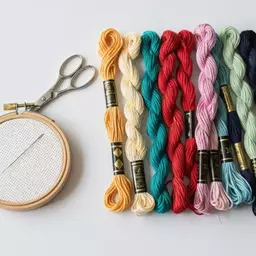
- For effective thread management, consider using bobbins or thread organizers to keep your floss neat. A thread conditioner can also help prevent tangles, and a needle minder can keep your needle secure.
- How do I choose the right fabric type for my project?
- The right fabric depends on your pattern's recommended fabric count. Aida cloth is popular for beginners due to its clear holes. Linen and evenweave are other options for more experienced stitchers, offering a finer look.
- Why is planning important before starting a cross stitch project?
- Planning helps prevent misalignments and mistakes. It involves checking your pattern, choosing the right fabric and threads, and even gridding your fabric to keep track of your design.
These questions often pop up among beginners, and it’s great to see so much curiosity! I encourage you to explore these topics further. Each query opens the door to new insights that will enhance your skills. If you’ve got more questions, don’t hesitate to reach out through our community at Art of Cross Stitching. We’re all here to learn and grow together!
Encouragement and Resources for Your Cross Stitch Journey
As you embark on your cross stitching journey, I want to encourage you to apply the techniques we've covered. Each stitch you create is a step towards mastering this beautiful craft. Embrace the learning process, and don’t shy away from making mistakes—they’re an essential part of your growth as a stitcher!
Utilize the resources available to you, whether it's our detailed guides, community forums, or simply reaching out to fellow stitchers. The world of cross stitching is filled with supportive individuals who want to help you succeed. So, gather those threads and fabric, and let your creativity flow! You might even find inspiration for simple cross stitch home decor projects.
Call to Action: Start Stitching with Confidence
Now, it’s your turn! I invite you to start stitching with confidence and share your experiences along the way. What projects are you tackling? Do you have any tips or tricks you’ve discovered? Join our community at Art of Cross Stitching and let’s celebrate your creations together!
Remember, every stitch tells a story, and I can’t wait to see what you’ll create next. Happy stitching!
Recap of Key Points
Here is a quick recap of the important points discussed in the article:
- Fabric and thread count: Always ensure they match the pattern requirements to avoid discrepancies.
- Stitch tension: Maintain consistent tension to achieve the desired final look of your project.
- Planning: Take the time to prepare and plan your projects effectively for a smoother stitching experience.
- Thread management: Organize your threads to prevent knots and tangles during stitching.
- Avoid skipping steps: Count your stitches carefully to ensure proper alignment of designs.
- Invest in quality tools: Using the right materials can significantly enhance your stitching experience.