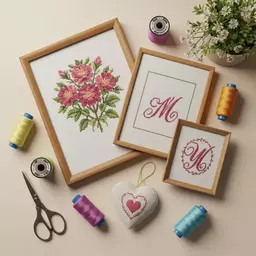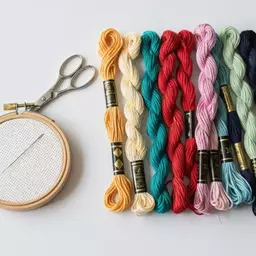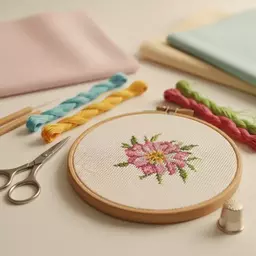

Have you ever been captivated by the intricate designs of cross stitch? This timeless art form is not just a hobby; it's a journey into creativity and relaxation that anyone can embark on. As you delve into the world of cross stitching, you'll discover techniques that not only enhance your skills but also transform your projects into stunning masterpieces.
What You Will Learn
- Creative Expression: Cross stitching allows for personal creativity, whether by designing your own patterns or using established ones.
- Community Connection: Engaging with fellow stitchers provides support and inspiration, enriching your stitching experience.
- Technique Variety: Mastering different techniques, like the English and Danish methods, can elevate your projects and enhance creativity.
- Texture and Depth: Utilizing half and quarter stitches adds dimension and interest to your designs.
- Decorative Flair: Incorporating French knots enhances your work with playful embellishments.
- Color Manipulation: Techniques like tweeded cross stitch allow for unique color blending and textures.
- Neat Finishes: Practices like railroading help achieve a polished look, making your stitches appear more professional.
- Fabric Awareness: Understanding different fabric types, like Aida and linen, can improve your stitching experience significantly.
- Thread Management: Organizing your threads can enhance efficiency and ensure consistency in color throughout projects.
Core Cross Stitch Techniques and Their Applications
Explore various cross stitching techniques and their benefits below:
English Method
The English method is ideal for projects with many colors, ensuring precision and neatness.
- Use a sharp needle.
- Start from the center.
- Keep threads untangled.
Danish Method
This method is perfect for block patterns, allowing quick filling of shapes.
- Faster completion.
- Reduced thread changes.
- Ideal for beginners.
Half and Quarter Stitches
These stitches add depth and texture, transforming designs significantly.
- Use half stitches for shading.
- Quarter stitches for detail.
- Practice on scrap fabric.
French Knots
French knots add decorative flair, making your designs unique.
- Wrap thread around the needle.
- Tighten gently for consistency.
- Practice for perfection.
Understanding Popular Cross Stitching Techniques
Have you ever admired the delicate beauty of a cross stitch piece? It's more than just a craft; it's a timeless art form that has a rich history. Beginning in the early Middle Ages, cross stitching has evolved into a cherished hobby for many, including myself! The appeal lies in its ability to blend creativity with relaxation, making it a beloved activity for people of all ages.
At Art of Cross Stitching, we celebrate this enchanting craft by sharing various techniques that can elevate your stitching experience. Whether you're creating a simple design or an intricate masterpiece, understanding the basics of cross stitching can spark a lot of joy in your creative journey. So, what draws you into the world of cross stitching? Is it the satisfaction of completing a project or the thrill of learning new skills?
Defining Cross Stitching and its Appeal
Cross stitching is a form of embroidery that involves creating images by stitching "X" shaped patterns onto fabric. It's an accessible craft that welcomes both beginners and experienced stitchers. One of the reasons it remains popular is the simplicity of the technique, which allows for a wide range of expression—so many possibilities await! Learn more about getting started with our Beginner's Guide to Cross Stitching.
- Creative Freedom: You can design your patterns or choose from countless existing ones.
- Relaxation: The rhythmic motion of stitching can be incredibly soothing.
- Community: Engaging with fellow stitchers offers inspiration and support.
As you can see, cross stitching not only hones your craftsmanship but also nurtures a sense of community. At Art of Cross Stitching, I love connecting with others who share my passion, and I encourage you to do the same!
The Importance of Learning Different Techniques
Embracing a variety of cross stitching techniques can take your projects to new heights! Each method offers unique possibilities, enhancing your creativity and allowing you to tailor your projects to your vision. By mastering different techniques, you can transform a simple design into something truly spectacular.
- Enhanced Creativity: Different techniques provide various textures and effects.
- Versatility: You can adapt your skills for any project, from home decor to gifts.
- Improved Confidence: Learning new methods boosts your confidence as a stitcher!
With each new technique you learn, you're not just enhancing your skills—you're unlocking a world of creativity! I encourage you to explore different methods; it's all part of the wonderful journey of cross stitching.
Core Cross Stitch Techniques and Their Applications
English Method: Ideal for Confetti Stitches
One popular technique in the cross stitching world is the English method. This approach is particularly useful for projects with many colors, like confetti stitches. The English method involves working one stitch at a time, ensuring precision and neatness.
To achieve the best results, follow these best practices:
- Use a sharp needle to easily pierce through the fabric.
- Start from the center of your design for balanced placement.
- Keep your threads untangled to minimize frustration!
The English method is a fantastic choice to create beautiful, detailed designs. I often find myself using this technique when I want to achieve a crisp finish.
Danish Method: Best Suited for Block Patterns
If you're working on block patterns, the Danish method might be your best friend! This technique involves working multiple stitches in a row, which allows you to fill shapes quickly and efficiently. It's perfect for achieving uniform designs.
Here are some advantages of the Danish method:
- Faster completion for larger areas.
- Reduced thread changes, leading to a neater finish.
- Ideal for beginners learning to control their stitches.
By incorporating the Danish method into your toolkit, you can significantly speed up your stitching process while maintaining quality. It’s a game-changer for large projects!
Half and Quarter Stitches: Adding Depth and Texture
Half and quarter stitches are essential techniques for adding depth and texture to your cross stitch designs. These stitches can fill in gaps or create gradual transitions between colors, giving your work a more dynamic appearance.
Here’s how you can effectively use these stitches:
- Use half stitches to create shading and dimension.
- Quarter stitches can help to fine-tune details in your design.
- Practice on scrap fabric to master the technique before engaging in a project!
You'll be amazed at how these simple stitches can transform your work from flat to fabulous! For more complex designs, consider exploring cross-stitch techniques for intricate patterns.
French Knots: Decorative Elements in Cross Stitch
French knots are a delightful way to add decorative flair to your projects. These little knots can fill gaps or serve as fun embellishments, turning an ordinary design into something truly special.
Here’s how to master the French knot:
- Wrap the thread around the needle several times before pulling it through the fabric.
- Tighten the knot gently for a consistent look.
- Practice makes perfect—don’t hesitate to try on a sample piece first!
When I incorporate French knots into my designs, it truly brings a playful touch to my work. They’re like little surprises that add charm to any piece!
Tweeded Cross Stitch: Mixing Colors for Unique Effects
Tweeded cross stitch is a fantastic technique that allows you to mix colors, creating beautiful gradients and textures. This method involves using two different colored threads together, resulting in a unique visual effect.
To get started with tweeded cross stitch, try these tips:
- Select colors that complement each other well.
- Use the same weight of thread for a balanced look.
- Experiment with the ratio of each color for varied effects.
Tweeded stitches can really elevate your designs, making them truly one-of-a-kind! I love to use this technique when I want to create depth and interest in a project.
Backstitch: Enhancing Definition in Cross Stitch
Backstitch is a technique that adds definition and outlines to your cross stitching. It serves to highlight details and can give your designs a polished finish.
Here's how to effectively incorporate backstitch into your projects:
- Outline the shapes after completing the filling stitches.
- Use contrasting thread colors for a striking effect.
- Vary the thickness of your thread for different line weights.
Backstitching can truly enhance your artwork and is a staple technique in my own projects. It’s amazing what a simple outline can do!
Color Blocking: Creating Vibrant Designs
Color blocking is a fun and stylish way to create bold designs in cross stitching. This technique involves using large blocks of color to form simple yet striking patterns.
To make the most of color blocking, consider these pointers:
- Choose a limited color palette for a cohesive look.
- Plan your design layout for balanced color distribution.
- Experiment with different combinations to find your unique style!
I find color blocking to be so refreshing—it can make your stitching pop and feel modern. It’s a great way to express your artistic vision!
As you can see, each of these techniques offers different benefits and applications in cross stitching. By experimenting with them, you’ll discover how to bring your projects to life in new and exciting ways! So, which technique will you try next? I can’t wait to hear about your stitching adventures!
Quick Summary
Here's a brief recap of the key points discussed so far:
- Cross stitching is a blend of creativity and relaxation, making it a beloved craft for many.
- Learning various techniques enhances creativity, versatility, and confidence in your projects.
- Different stitching methods, like the English and Danish techniques, cater to specific project needs and improve efficiency.
Addressing Common Questions and Enhancing Skills
Frequently Asked Questions on Cross Stitch Techniques
As a passionate cross stitcher, I often get questions about techniques that can elevate projects. One of the most common inquiries is about the benefits of railroading. This technique helps in keeping threads flat and tidy, resulting in a neater finish. Additionally, many enthusiasts ask about the parking method, which can save time and help manage threads when working on complicated designs.
Here are some frequently asked questions that I often encounter:
- What is railroading, and why should I use it? Railroading involves laying two threads side by side to create a flat stitch, making your work look more polished.
- How does the parking method work? In the parking method, you leave your unused thread on the fabric instead of cutting it, which allows for easy access when you return to that color.
- Can I use any thread type for railroading? While you can use various threads, stranded cotton works particularly well for this technique.
- What are half and quarter stitches used for? They are used to add depth, texture, and fine detail, allowing for smoother gradients and more realistic shaping.
- Why is learning different techniques important? Mastering different techniques enhances creativity, versatility, and confidence, allowing you to achieve a wider range of effects and tailor projects to your vision.
- What are the benefits of the English and Danish methods? The English method is great for precision in multi-colored projects (confetti stitches), while the Danish method is efficient for quickly filling block patterns.
Tips for Neat Finishes and Advanced Techniques
Achieving a neat finish in your cross stitching can take your projects to the next level. Here are some tips that I've found invaluable:
- Use railroading: As previously mentioned, this technique helps keep your stitches flat.
- Manage your threads: Keep your threads organized and tangle-free to avoid frustration.
- Practice waste canvas: This advanced technique allows you to stitch on non-cross stitch fabric while keeping the design intact.
Implementing these tips can enhance your stitching experience and lead to cleaner projects. Trust me, the effort is well worth it! Explore our essential cross-stitching supplies list to ensure you have everything you need.
Understanding Different Fabric Types for Cross Stitch
The choice of fabric can significantly impact your cross stitching experience. Knowing what works best for your techniques is essential. Here are some common fabric types and their suitability:
- Aida cloth: Perfect for beginners; its grid makes counting stitches easy.
- Evenweave: Great for more advanced techniques; it offers a smoother finish and is ideal for specialty stitches.
- Linen: A classic choice that provides a beautiful, rustic look but can be tricky for beginners.
Choosing the right fabric can make your stitching more enjoyable and successful, so consider your project requirements before diving in!
Thread Conversion and Management
Managing your thread stash can feel overwhelming, but with some organization, it becomes a breeze. Here are a few tips for effective thread conversion and management:
- Keep a color chart: Having a handy reference for your threads can help maintain color consistency across projects.
- Use labeled containers: Organize your threads by color or type in labeled bins to save time searching.
- Track your usage: Note how much of each thread you use to avoid running out mid-project!
Managing your threads well not only saves you time but also enhances the overall quality of your work. After all, nothing is more satisfying than a well-organized workspace! For inspiration, check out these simple cross stitch home decor ideas.
Recap of Key Points
Here is a quick recap of the important points discussed in the article:
- Understanding Cross Stitching: This timeless art form blends creativity and relaxation, making it accessible to all skill levels.
- Importance of Techniques: Learning different techniques enhances creativity, versatility, and confidence in your cross stitching projects.
- Core Techniques: Master methods like the English and Danish techniques for precision and efficiency, while incorporating half and quarter stitches for depth.
- Decorative Elements: Use French knots and tweeded cross stitches to add flair and unique effects to your designs.
- Neat Finishes: Techniques like railroading and effective thread management lead to cleaner and more polished projects.
- Fabric and Thread Management: Choose the right fabric and organize your threads to enhance your stitching experience and achieve better results.