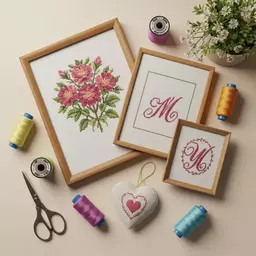

Cross stitching is not just a craft; it's a journey through time and creativity that connects cultures across the globe. Whether you're an absolute beginner or a seasoned enthusiast, understanding the history, techniques, and community around cross stitching can elevate your experience and inspire your projects.
What You Will Learn
- The historical evolution of cross stitching, from practical textile mending to an esteemed art form.
- Cultural significance of cross stitch patterns across different regions, emphasizing their storytelling roles.
- Essential tools needed for cross stitching, including fabric types, threads, and embroidery hoops for beginners.
- Different stitch types, such as counted cross stitch and freehand stitching, and how they can enhance your designs.
- Common issues faced by cross stitchers, like tension problems, and how to troubleshoot them effectively.
- The importance of connecting with the cross stitching community for support, inspiration, and shared experiences.
- Online and local resources available for learning and growing your cross stitching skills.
Exploring Cross Stitch Techniques and Tools
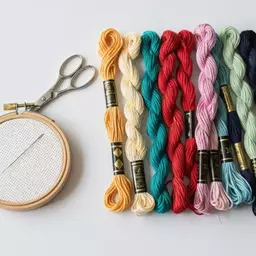
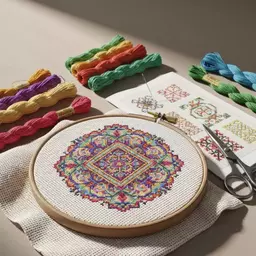
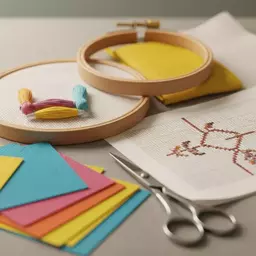
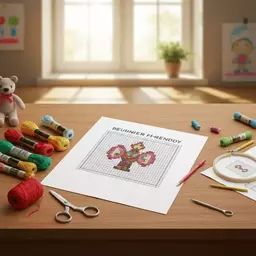
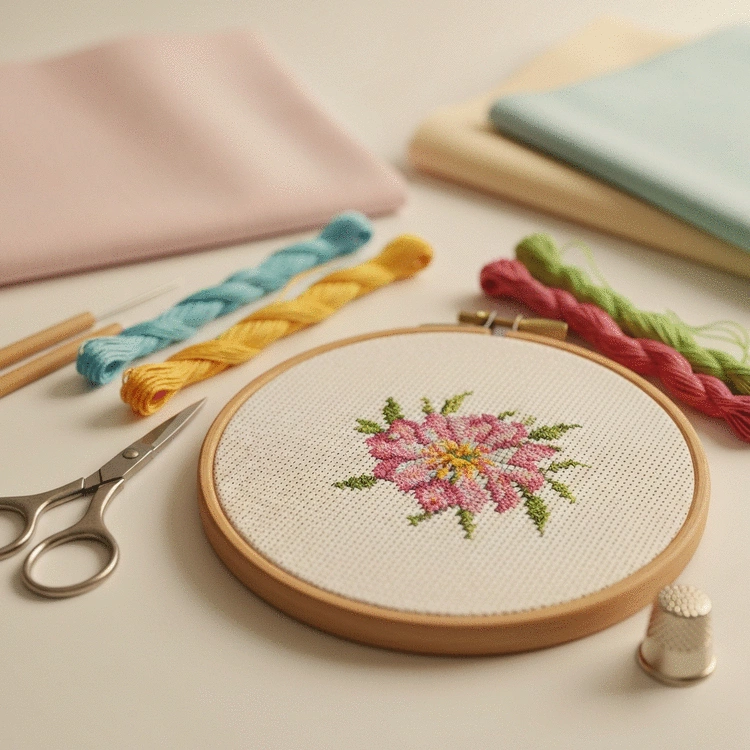
This visual provides an overview of essential tools and stitch types that enhance your cross stitching journey. Below, you can see the key components represented side-by-side for clarity. To dive deeper into getting started, check out our beginners guide to cross stitching.
Essential Tools
- - Fabrics: Aida cloth
- - Threads: DMC embroidery floss
- - Hoops: Sturdy hoops
Stitch Types
- - Counted Cross Stitch
- - Freehand Stitching
- - Half Stitches
Understanding Cross Stitch Techniques: An Overview
Cross stitching is more than just a craft; it’s a delightful way to connect with traditions and unleash creativity! As I delve into this art form, I want to share the history, tools, and stitch types that make cross stitching such a cherished pastime. I believe understanding these aspects will enrich your experience, whether you're just starting out or looking to refine your skills.
The Evolution of Cross Stitching Traditions
Cross stitching has a rich history that spans centuries, originating as a practical means of mending and decorating textiles. Over time, it transformed into an art form, with various cultures adopting unique styles. Isn’t it fascinating how this simple stitch has woven its way through time?
Historical Context of Cross Stitch
Dating back to ancient times, cross stitch was used by various civilizations. The Egyptians, for instance, used needlework to embellish clothing and household items. The technique evolved, with each culture adding its flair, turning cross stitch into a canvas for storytelling and artistry!
In Europe, during the Middle Ages, cross stitch became a popular pastime among nobility, reflecting their status through intricate designs. This journey through time showcases the adaptability and enduring charm of cross stitching, don’t you think?
Cultural Significance Across Regions
Cross stitching is not just a hobby; it carries profound meaning across different cultures. In Scandinavia, traditional patterns often symbolize family heritage, while in Eastern Europe, they tell stories of community and faith. These regional differences add richness to the craft!
- Scandinavian Patterns: Often geometric and colorful, representing regional folklore.
- Eastern European Designs: Detailed and intricate, often reflecting religious themes.
- Asian Techniques: Incorporating silk threads and natural motifs, emphasizing harmony with nature.
Key Components of Cross Stitching
Before you begin your stitching adventure, let’s gather the essentials! Having the right tools can make a world of difference, helping you create beautiful pieces more easily. At Art of Cross Stitching, I love sharing tips on selecting the essential cross stitching supplies for your projects.
Essential Tools: Fabrics, Threads, and Hoops
The first step in cross stitching is gathering your materials. You’ll need:
- Fabrics: Aida cloth is the most popular choice, perfect for beginners!
- Threads: DMC embroidery floss is a favorite for its vibrant colors.
- Hoops: A sturdy hoop keeps your fabric taut, making stitching easier.
With these tools in hand, you're ready to embark on your cross stitching journey! What colors will you choose for your first project?
Understanding Stitch Types: Counted Cross Stitch and More
Cross stitching primarily involves counted techniques, where you follow a grid pattern. It’s essential to understand the types of stitches you can use, as they can significantly affect your project’s look.
- Counted Cross Stitch: The most common method, using a grid to count stitches.
- Freehand Stitching: Allows for creativity, as you design your patterns without a grid.
- Half Stitches: A variation that adds depth and dimension to your work.
As you explore these stitch types, you’ll discover the versatility of cross stitching. Each technique can bring a unique touch to your creations, making every piece special!
Pro Tip
When starting a new cross stitch project, consider creating a stitching planner. Document your chosen patterns, colors, and progress. This not only keeps you organized but also enhances your creativity as you visualize your designs coming to life!
Addressing Common Questions and Challenges in Cross Stitching
As a passionate cross stitcher, I've encountered my fair share of questions and challenges along the way. It's not just about picking up a needle and thread; there’s a world of tools, techniques, and troubleshooting to explore! Let’s dive into some common queries that beginners and even seasoned stitchers face.
FAQs About Cross Stitch Techniques
When you’re starting out, you might wonder which tools are truly essential for a successful cross stitching experience. Here’s a handy list of must-have items that will set you up for stitching success:
- Embroidery Hoops: Helps keep fabric taut.
- Aida Cloth: Perfect for beginners due to its easy-to-count grid.
- Needles: A tapestry needle is ideal for cross stitching.
- Floss: Choose vibrant colors to bring your designs to life!
- Scissors: Small, sharp scissors for precise cutting.
What Tools Are Essential for Beginners?
Now that you know the basics, it’s important to understand how to troubleshoot common issues, like tension problems. These pesky challenges can slow you down, but with a bit of practice, you'll learn to overcome them like a pro!
- Check Your Tension: Make sure your stitches aren’t too tight or too loose.
- Adjust Your Thread: If the thread is snagging, consider changing your floss brand.
- Use Quality Fabrics: Sometimes the fabric can contribute to tension issues.
How to Troubleshoot Common Issues Like Tension Problems?
Fabric choice can significantly impact your stitching experience. Understanding the differences between materials like Aida and linen will help you pick the right one for your project. Here’s a quick overview:
- Aida: Great for beginners, comes in various counts.
- Linen: More advanced, offers a luxurious feel and unique texture.
- Evenweave: A balanced option perfect for more complex designs.
Understanding Fabric Choices: Aida and More
As you explore your cross stitching journey, remember that you’re not alone! The cross stitching community is vibrant and full of helpful resources. Engaging with others can enhance your experience, providing insights and inspiration. For more advanced methods, explore cross-stitch techniques for intricate patterns.
Frequently Asked Questions About Cross Stitching
- What is the historical origin of cross stitching?
- Cross stitching originated in ancient times as a practical method for mending and decorating textiles, evolving into an art form with unique cultural styles across various civilizations like the Egyptians and medieval Europeans.
- What are the essential tools for a beginner cross stitcher?
- Beginners should have Aida cloth for fabric, DMC embroidery floss for threads, sturdy hoops to keep fabric taut, tapestry needles, and small, sharp scissors for precise cutting.
- What are the main types of stitches used in cross stitching?
- The primary types include Counted Cross Stitch (following a grid pattern), Freehand Stitching (designing without a grid), and Half Stitches (a variation that adds depth).
- How can common issues like tension problems be resolved?
- To troubleshoot tension problems, ensure stitches are neither too tight nor too loose, consider changing floss brands if thread snags, and use quality fabrics as they can impact tension.
- Where can I find resources for learning and community support in cross stitching?
- You can find resources through YouTube channels for tutorials, Facebook groups to engage with fellow stitchers, cross stitch blogs for tips and inspiration, and local craft fairs, workshops, or meetups.
Sharing Experiences: User Polls and Community Insights
I’d love to invite you to share your own techniques and tips! What’s been your go-to method? Have you tried any innovative patterns or approaches? Every stitch carries a story, and your experience could inspire someone else in our community!
Inviting Readers to Share Their Techniques and Tips
Online resources are plentiful and can greatly support your learning journey. Here are some of my favorite places to connect and gather knowledge:
- YouTube Channels: Great for visual learners, with tutorials on various techniques.
- Facebook Groups: Engage with fellow stitchers and share your projects!
- Cross Stitch Blogs: Many enthusiasts share tips, patterns, and inspiration.
Online Resources for Learning and Community Support
Don’t forget to explore local crafting communities and cross stitch clubs! These groups can be incredibly supportive, offering a sense of belonging and camaraderie. Joining a local group might be the perfect way to connect with like-minded crafters and share your love for cross stitching. You might even find ideas for simple cross stitch home decor projects.
- Craft Fairs: Find local events where you can meet other stitchers.
- Workshops: Participate in hands-on sessions to learn new skills.
- Meetups: Organize or join stitching sessions in your area.
Exploring Crafting Communities and Cross Stitch Clubs
As we wrap up this section, I encourage you to take on the challenges, ask questions, and engage with your fellow stitchers. Together, we can enrich our cross stitching experiences and continue to inspire one another on this wonderful journey! For more inspiration, consider exploring seasonal cross stitch craft ideas.
Recap of Key Points
Here is a quick recap of the important points discussed in the article:
- Cross stitching has a rich history, evolving from a practical craft to a form of artistic expression across various cultures.
- Essential tools for beginners include Aida cloth, embroidery floss, sturdy hoops, and tapestry needles, which help create beautiful pieces.
- Understanding different stitch types, such as counted cross stitch, freehand stitching, and half stitches, can greatly enhance your projects.
- Troubleshooting common issues like tension problems can improve your stitching experience, with attention to fabric choice and thread quality being crucial.
- Engaging with the cross stitching community through online resources and local clubs can provide support, inspiration, and shared learning experiences.